Beyond the Chatbot: The Rise of Agentic AI and Reflection in 2026
Discover how test-time compute, autonomous agents (MCP), and production-grade RAG are redefining generative AI and software architecture in 2026.
The era of typing a simple prompt into an AI and hoping for a decent first-draft response has fundamentally shifted. The baseline for Large Language Models (LLMs) has moved far past static knowledge retrieval.
If your business or development workflow is still treating AI as a glorified Google search or a copy-paste boilerplate generator, you are missing out on the actual architectural leap taking place this year.
---
1. Test-Time Compute (Thinking Before Speaking)
One of the most significant shifts in modern AI engineering is the scaling of test-time compute (also known as inference-time reasoning).
Instead of an LLM generating a response instantly via a single forward pass, advanced models are now engineered to pause, allocate extra compute cycles, and deliberate over complex problems before returning an output. Open research paradigms like DeepSeek-R1 and the extended thinking modes in frontier models showcase why this matters:
- Multi-step execution: The model actively drafts, tests, and adjusts its internal logic.
- Self-correction: If a generated path fails an internal check or error code evaluation, the system loops back to correct itself before you ever see the response.
2. From Chatbots to Agentic Ecosystems
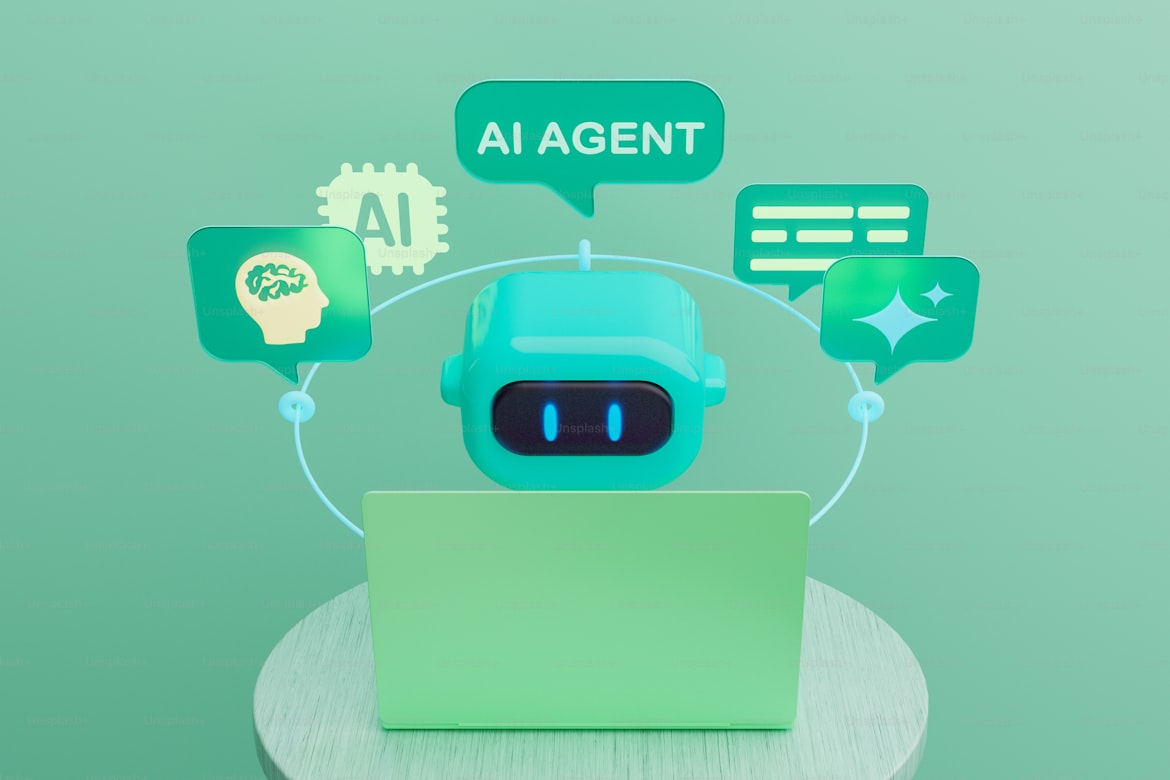
The industry has largely moved away from isolated, chat-based UI wrappers. The current frontier is dominated by autonomous agents that execute multi-step workflows, manage persistent data states, and interact directly with external environments.
The universal adoption of protocols like the Model Context Protocol (MCP) has established a standardized architecture for connecting LLMs natively to enterprise tools. Instead of simply telling you how to fix a database bug or optimize an API endpoint, modern agentic systems can pull the code, spin up a secure execution sandbox, test the patch, and orchestrate a code review safely.
3. Production-Grade RAG is Table Stakes
Relying entirely on a model’s static pre-trained data is an architectural liability for production applications. Retrieval-Augmented Generation (RAG) is now the default design pattern for enterprise intelligence systems.
By separating the generative engine from the underlying corporate database or dynamic knowledge graph, systems drastically reduce hallucinations while ensuring full data residency compliance and strict access control. When paired with cheap parameter-efficient fine-tuning (PEFT) methods like QLoRA, teams can run hyper-specialized, highly secure local open-weight models at a fraction of the cost of raw API inference calls.
---
The 2026 Reality Check: The true competitive advantage doesn't belong to those using AI to write faster text. It belongs to the engineers and businesses building robust, reliable orchestration systems around reflective AI agents.